If you’ve ever burned a weekend grinding a leaderboard only to finish one rung below the prize line, this guide is for you. Flashy banners and countdown timers are designed to make every bonus and tournament look irresistible. Most aren’t. The good news: with a simple framework, you can size up offers in minutes, decide when to skip, and focus only on tournaments and promos that actually put you in a +EV or at least good-value spot.
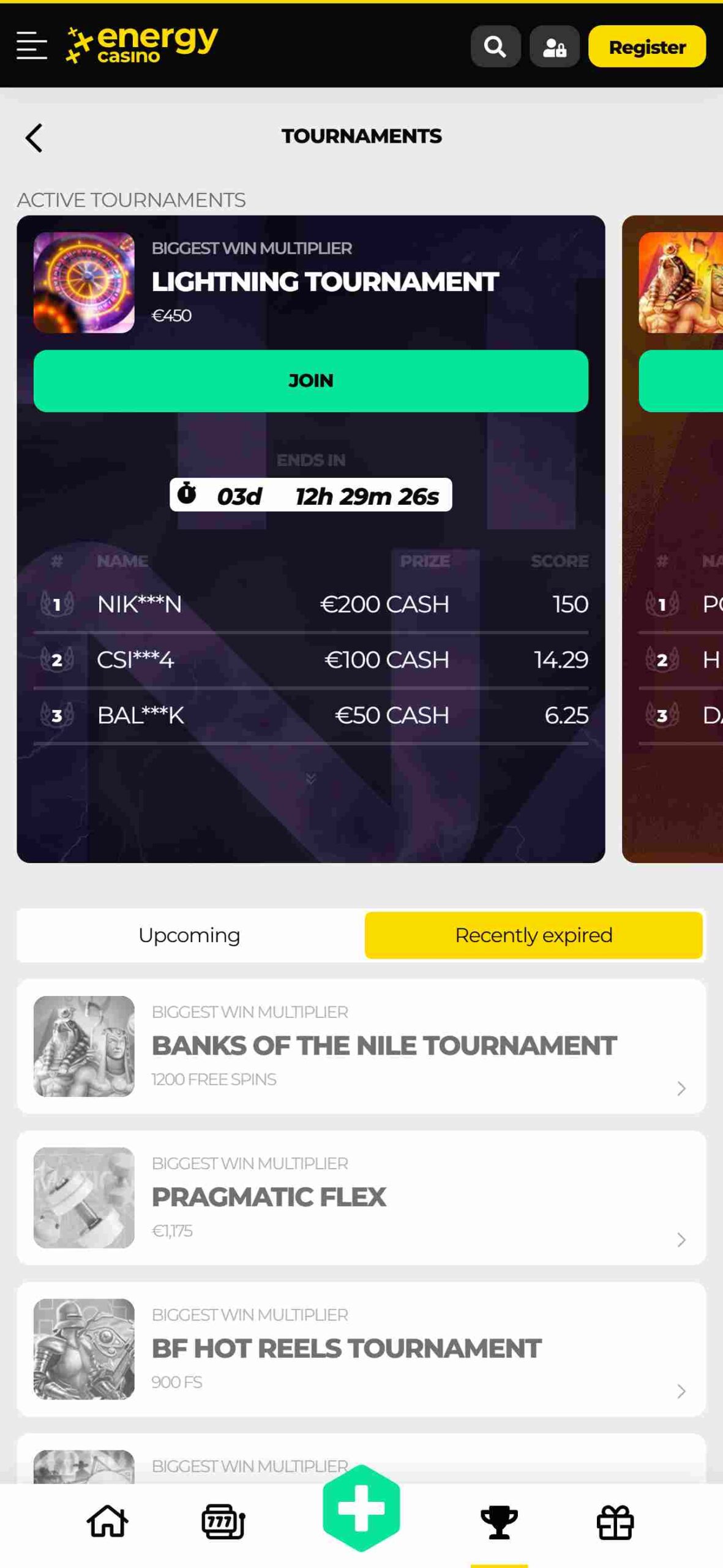
What “value” means when you’re not a high roller
Value is not just about pure profit. It’s alignment between what you invest (money, time, attention) and what you reliably get back (entertainment, prizes, loyalty progress, cash). Decide your primary target before you opt in:
- Entertainment-first: You want long session time and the thrill of competition. You’ll accept slight negative EV if the experience is rich.
- Value-seeking: You want low-cost fun with a realistic chance at a prize. You’ll skip lopsided formats and chase overlays.
- Profit-chasing: You only join when the math clearly favors you. You’re picky and patient.
Knowing which mode you’re in prevents frustration and helps you pick the right events quickly.
Read the fine print like a pro: the clauses that decide your outcome
You can evaluate 90% of offers by scanning seven details. Don’t commit until you’ve checked all seven:
- Scoring type (tournaments): Is it “total wagered,” “biggest win multiplier,” “highest single hit,” or “streaks”? Multiplier-based scoring often levels the field because small bets can compete. Wager-volume leaderboards usually favor big bankrolls.
- Bet caps: A maximum bet per spin/hand keeps whales from dominating. No cap means the top 10 may be unreachable for smaller stakes.
- Eligible games: If only a few slots count, learn their RTP and variance. A 96.5% RTP game with frequent features is bank-friendly during grinds.
- Prize distribution: Flat distributions (more places paid) reduce variance and improve your chance to cash. Top-heavy pools can be thrilling but streaky.
- Opt-in timing: Some leaderboards tally from the moment you opt in. Miss the start by a day and you’re chasing ghosts.
- Contribution rules (bonuses): Table games may contribute 0–10% toward wagering, slots 100%. If your favorite games don’t contribute, the WR gets effectively harsher.
- Wagering scope: 35x on bonus only is very different from 35x on bonus + deposit. This is the single biggest source of confusion.
Plain-English decoding of promo clauses
| Clause | What it really means | Good sign vs. red flag |
|---|---|---|
| Leaderboard by total wagers | High rollers accrue points faster by volume | Good if bet size is capped; red flag if uncapped |
| Leaderboard by win multiplier | Any stake can spike big; variance rules | Good for small/medium bankrolls; accept swinginess |
| Prize structure: top-heavy | Huge first prize, few paid spots | Thrilling but high variance; better if you can volume-grind |
| Prize structure: flatter | More winners, smaller top prizes | Good for steady returns and morale |
| WR 35x bonus only | Wager 35 times the bonus to unlock | Reasonable if RTP is high and game choice flexible |
| WR 35x bonus + deposit | Wager 35 times both amounts | Red flag unless compensation via high-value side perks |
Quick math: is a bonus worth it?
Use a back-of-the-envelope estimate to judge EV (expected value). Suppose you get a 100% match bonus of $100 with 35x wagering on bonus only, and you’ll play eligible slots averaging 96.5% RTP (house edge 3.5%).
- Total wagering required: 35 × $100 = $3,500
- Expected loss from house edge during wagering: 3.5% × $3,500 = $122.50
- Value of the bonus: $100
Estimated EV of the bonus grind: $100 − $122.50 = −$22.50. Negative. If wagering is on bonus + deposit, it’s even worse. How does this ever make sense? Two ways:
- Higher RTP or skill elements: If the promotion allows higher-RTP games or strategic edge (rare), EV can flip.
- Stacked value: Leaderboards, cashback, or free-roll tournaments attached to the same play can add back 1–5% or more. Sometimes overlays (see below) turn the total package positive.
Bottom line: A standalone WR-heavy bonus is usually entertainment value, not profit. It can be fine—just know what you’re buying.
How to spot tournament overlays (your best friend)
An overlay happens when the prize pool is generous relative to the number of meaningful competitors. It’s most obvious in guaranteed pools where turnout is light, but you also see “soft” overlays in formats that neutralize bankroll advantages.
Checklist for overlays:
- Entrants vs. prize pool: If a $10,000 pool has ~200 active entrants and pays 50 positions, even average play can land a min-cash. That’s promising.
- Bet caps: A $2 max bet levels the field. Volume grinders can’t brute-force the leaderboard.
- Multiplier scoring: A 500x hit counts the same whether it’s from $0.20 or $5 spins. Great equalizer, though variance is high.
- Short windows: Off-peak events (weekday afternoons) tend to be softer.
- Entry friction: Manual opt-in, game restrictions, or quirky rules deter casuals and can leave value on the table for prepared players.
Estimating your podium shot in a multiplier leaderboard
Multiplier leaderboards reward your best hits relative to bet size. To estimate your chance:
- Check the lead board’s current top x multipliers (e.g., 1,200x in first, 850x in third).
- Look up the slot’s max win and typical bonus hit frequency. If the eligible games include volatile titles with 5,000x potential and frequent bonus rounds, you’re live even on small stakes.
- Budget enough spins to see a few bonus rounds. If the average bonus hits every 120 spins, plan for 400–600 spins to have multiple shots.
Not an exact science, but if top scores sit below realistic outcomes on eligible games and you can afford a few hundred spins at a capped bet, you’ve got a credible path to a prize.
Picking the right slots for a grind
For tournaments that count all spins, you want long runways. For multiplier leaderboards, you want big ceilings at low stakes. Start with:
- RTP 96%+ when available. Some regulated markets show per-game RTP; use it.
- Medium to high variance for multiplier boards; medium variance for volume-based boards where survival matters.
- Bonus frequency: Frequent features mean more “shots on goal.”
Test in demo if allowed. Watch how quickly the base game recycles balance and how the bonus behaves. You’re not trying to memorize symbols; you’re verifying pace and volatility.
Bankroll and time: the two caps that actually matter
A sensible grind plan starts with caps:
- Max daily loss: Fixed dollar amount that ends the session—no exceptions.
- Time box: Finite time window. Tournament FOMO hurts more than it helps when you’re tired.
Pick a stake that lets you survive variance. As a rule of thumb for slot grinds, 200–300 base-game bets of cushion keeps you alive long enough to see a few features in most medium-volatility titles. On $0.40 spins, that’s $80–$120.
If the leaderboard rewards a single spike, spreading attempts across multiple short sessions can outperform one long marathon, especially if you can switch to a fresh eligible game after a cold stretch.
When to walk away (even if you’re close)
Two walk-away triggers save your bankroll and sanity:
- Value drift: If late entrants push top scores beyond realistic outcomes on eligible games, stop. The EV has flipped.
- Rule friction: If you misread a clause (e.g., only certain games contribute) and adjusting would break your budget, take the small L now.
Practical checklist: evaluate any tournament in 90 seconds
- Scan the scoring type and bet caps. If volume-based with no cap, likely a skip unless you can compete on stake.
- Confirm eligible games and their RTP/volatility. Note one or two candidates you know well.
- Read prize distribution. Prefer flatter payouts unless you specifically want a top-heavy sweat.
- Check opt-in timing. If you’re late, don’t chase; set up for the next one.
- Estimate spins needed to be competitive. Can your bankroll cover that with 200–300 bet units spare?
- Look for overlays: low entrant counts, capped bets, weekday windows.
- Decide your mode (entertainment, value, or profit) and commit to a stop-loss/time box.
Where to put this playbook to work
If you’re ready to apply the checklist, start by reviewing the current tournament formats, prize splits, and wager contribution rules at https://energycasinos.bet/. Use the 90-second audit before you opt in, and you’ll avoid most traps while spotting the occasional gem.
Watch: quick walkthrough of a tournament decision
Here’s a short video to help you visualize the process—from scanning rules to deciding stake size and exit points.
Common mistakes that kill value (and how to dodge them)
- Opting in late: You lose ground immediately. Set alerts for event starts.
- Ignoring bet caps: Without them, small stakes rarely place on volume boards. Don’t try to rewrite math with luck.
- Misreading wagering scope: Bonus-only vs. bonus+deposit WR changes everything. Confirm before depositing.
- Playing in ineligible games: Wagering without contribution is dead money for bonus clears. Always confirm the game list.
- Chasing after a cold stretch: Past spins don’t owe you future luck. Stick to your plan.
Responsible play: keep the fun intact
Always set deposit, loss, and session limits. Take regular breaks; fatigue wrecks judgment. And confirm that online play is legal in your jurisdiction. The point of all this strategy isn’t to squeeze every cent—it’s to get the most satisfaction per dollar and minute you spend.
The takeaway
Most promotions look hot from the outside. When you peel back the rules, some are fine for entertainment, a few are sneaky-good, and many are best ignored. Use the 90-second checklist to scan scoring, caps, eligible games, prize distribution, and wagering. Estimate your spins and bankroll needs, watch for overlays, and cap both time and loss. You’ll skip a lot more—and enjoy the ones you play far more—because you’ll be choosing on purpose, not impulse.